Protect Your Home: Key Services Provided by Professional Electricians
Licensed electricians provide crucial services that enhance household security. They address common electrical problems and conduct regular inspections to detect possible dangers. These specialists confirm that installations meet safety standards while also recommending upgrades to outdated systems. Understanding these essential services can help avert emergencies and safeguard property value. Residents frequently ask which particular problems electricians address and how to select the right expert for their needs.
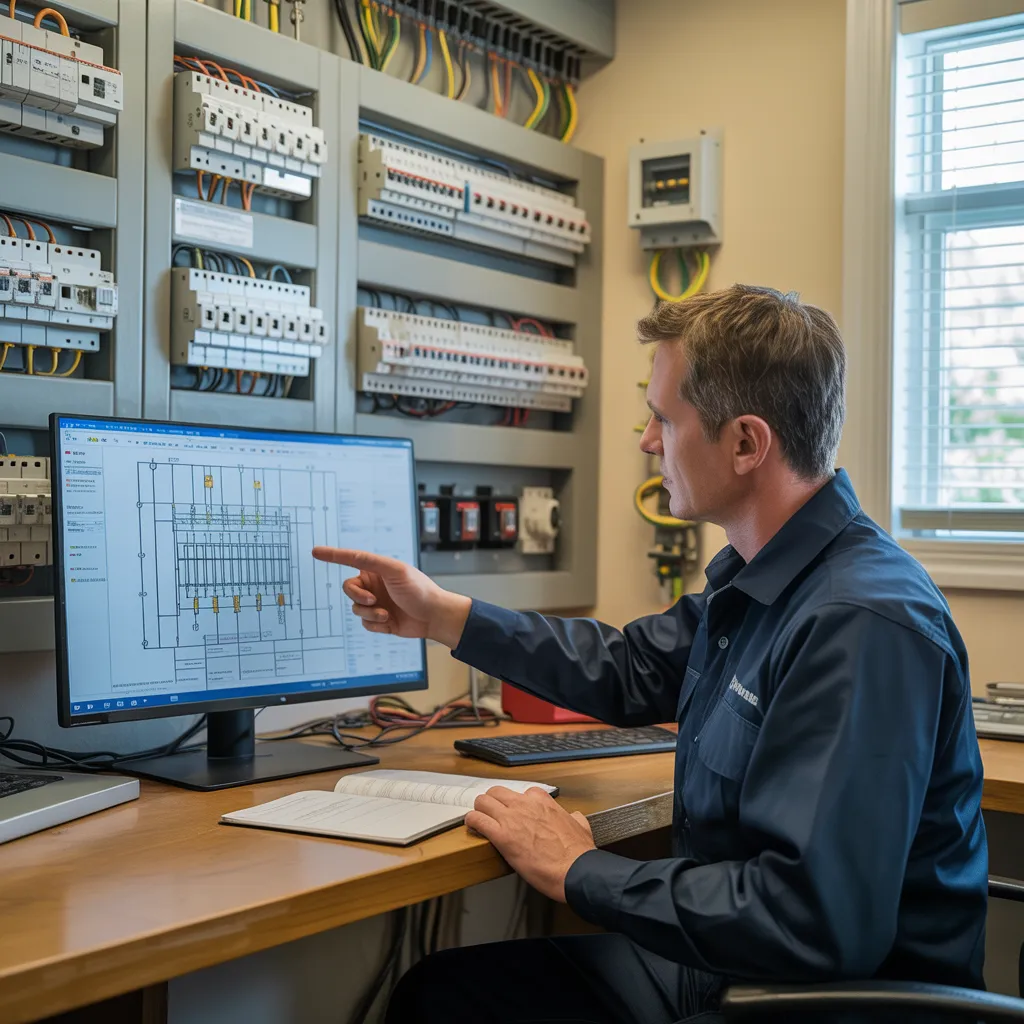
Typical Electrical Problems and How to Address Them
Electrical problems can interfere with everyday routines, making it essential to recognize common problems and their solutions. Lights that flicker, as a common example, often result from loose bulbs or faulty wiring. Reinforcing connections or installing new bulbs can eliminate this concern. Overloaded circuits, marked by consistent breaker interruptions, can be alleviated by redistributing appliances across different circuits or upgrading the electrical panel.
Another common issue relates to outlets that cease to operate, which might be caused by tripped breakers or deteriorated wiring. Evaluating the breaker and reviewing the outlet can aid in pinpointing the issue. Finally, ground fault circuit interrupters (GFCIs) can activate unexpectedly as a result of moisture or defective devices; resetting the GFCI or replacing malfunctioning devices can restore functionality. Understanding these typical electrical issues empowers homeowners to tackle problems in a timely manner, ensuring safety and efficiency within their households.
Why Regular Electrical Inspections Matter
Although many homeowners may overlook the significance of routine electrical inspections, such evaluations are critical for preserving the safety and functionality of every property. Routine assessments detect serious risks like defective wiring, aging systems, and overloaded circuits, which can lead to fire hazards or critical equipment breakdowns. By addressing these issues proactively, residents can eliminate unnecessary repair costs and maintain compliance with electrical safety codes.
Furthermore, inspections aid in detecting energy inefficiencies within a property, allowing for adjustments that can lead to more manageable energy bills. Licensed electricians possess the expertise to detect delicate signs of aging and wear that are often overlooked without professional training. Beyond that, scheduled inspections commonly improve the durability of electrical infrastructure and household appliances, supporting the long-term value of the home. In the end, prioritizing regular electrical inspections is a significant step in safeguarding those living in the home as well as the home's long-term integrity.
How Inspections Ensure Safe Installations
Routine electrical inspections serve a critical function in guaranteeing that installations are performed safely and efficiently. These evaluations permit qualified electricians to examine existing wiring, outlets, and fixtures, identifying potential hazards or code violations before new installations commence. By reviewing the overall condition of the electrical system, electricians can address issues such as outdated wiring or inadequate grounding, which could potentially jeopardize safety.
Furthermore, inspections provide an opportunity to verify that every component adheres to current safety regulations. This precautionary action not only boosts the safety of the installation process but also defends homeowners from subsequent electrical failures or hazards. Certified electricians apply their knowledge to suggest essential upgrades or adjustments, making certain that all installations comply with established best practices. Ultimately, consistent inspections promote a safer home environment, offering homeowners reassurance while lowering the chances of electrical check here fires or malfunctions in the years ahead.
Upgrade Your Electrical Panel for Safety
Upgrading a home electrical panel is a vital step in improving the safety of a home. An old electrical panel can cause substantial risks, including damage to appliances and electrical fires. Qualified electricians suggest this update to accommodate contemporary power demands and provide stable electrical distribution.
Modern panels are fitted with sophisticated protective features, such as circuit breakers that immediately halt electrical flow in the event of overloads or faults. This lowers the likelihood of overheating and possible hazards. Additionally, upgrading often allows for the installation of more circuits, supporting the growing number of electronic devices found in modern homes.
Homeowners could observe lights that flicker, circuit breakers that trip often, or the odor of something burning, each of which suggests that an electrical upgrade may be required. Consulting a licensed electrician can provide insights into whether an electrical panel upgrade is warranted, promoting a safer home environment while addressing the requirements of modern electrical consumption.
What Steps to Take in an Electrical Emergency
Electrical emergencies can arise unexpectedly, often highlighting the importance of a adequately serviced electrical panel. In such scenarios, prompt action is essential to guarantee safety. To begin, those present should stay composed and examine what is happening. If there is visible fire or smoke, evacuating the premises and calling emergency services takes precedence. For electric shock incidents, it is important not to make direct contact with the victim and instead use a non-conductive object to separate them from the source of electricity.
If a power outage occurs, inspecting the circuit breaker is a wise measure prior to reaching out to a licensed electrician. In cases of unusual odors or buzzing sounds from outlets, it is critical to disconnect appliances and cease using them until a professional can inspect the system. Above all, maintaining copyright information for a licensed electrician within reach can enable prompt response during urgent situations, ensuring safety and reducing potential harm.
How to Choose the Right Licensed Electrician
What steps can someone take to ensure they choose the correct licensed electrician for their situation? First, it is essential to verify the electrician's license and insurance, ensuring compliance with local regulations. Furthermore, consulting recommendations from friends, family, or online reviews can shed light on the electrician's trustworthiness and caliber of service.
Furthermore, you should look into the electrical professional's experience and specialization, as certain electricians specialize in household wiring while some are more skilled in commercial projects. Asking for a detailed estimate, including the cost of labor and materials, helps in making cost comparisons and eliminating unexpected fees.
Moreover, evaluating interpersonal abilities is important; a qualified electrician should articulate issues effectively and address questions thoughtfully. In conclusion, verifying warranties on services rendered can reflect a pledge to excellence. By weighing these considerations, homeowners can reach well-informed decisions, promoting safety and peace of mind with their selected electrician.
Frequently Asked Questions
What Qualifications Should I Look for in a Licensed Electrician?
When looking for a qualified electrician, you should consider qualifications such as valid licensing, applicable certifications, extensive experience, positive client reviews, and compliance with safety standards, securing both expertise and trustworthiness in electrical services.
How Much Do Electrical Services Typically Cost?
Electrical contractor rates usually fall from $50 to $100 per hour, according to the scope of the project and the electrician's background. Extra charges may be incurred for equipment, required permits, or after-hours emergency calls.
Are Warranties Available for Electrical Work?
Most licensed electricians provide workmanship guarantees for their electrical work, typically covering parts and labor for a predetermined period. Such coverage ensures client satisfaction and gives confidence concerning the overall quality and lasting performance of the electrical services carried out.
Is It Possible for Me to Handle Electrical Work Myself?
Even though homeowners might consider tackling electrical work independently, it is usually not a wise decision. Certified electricians carry the experience and technical knowledge needed to maintain safety and regulatory compliance, minimizing the risk of accidents and potential hazards.
How Frequently Should I Schedule Electrical Inspections?
Homeowners should schedule electrical inspections every three to five years, or more often if problems arise. Periodic inspections assist in identifying electrical risks, providing safety and compliance with modern electrical safety standards and codes.